
Filter Category
Leading HVAC Filter Manufacturers
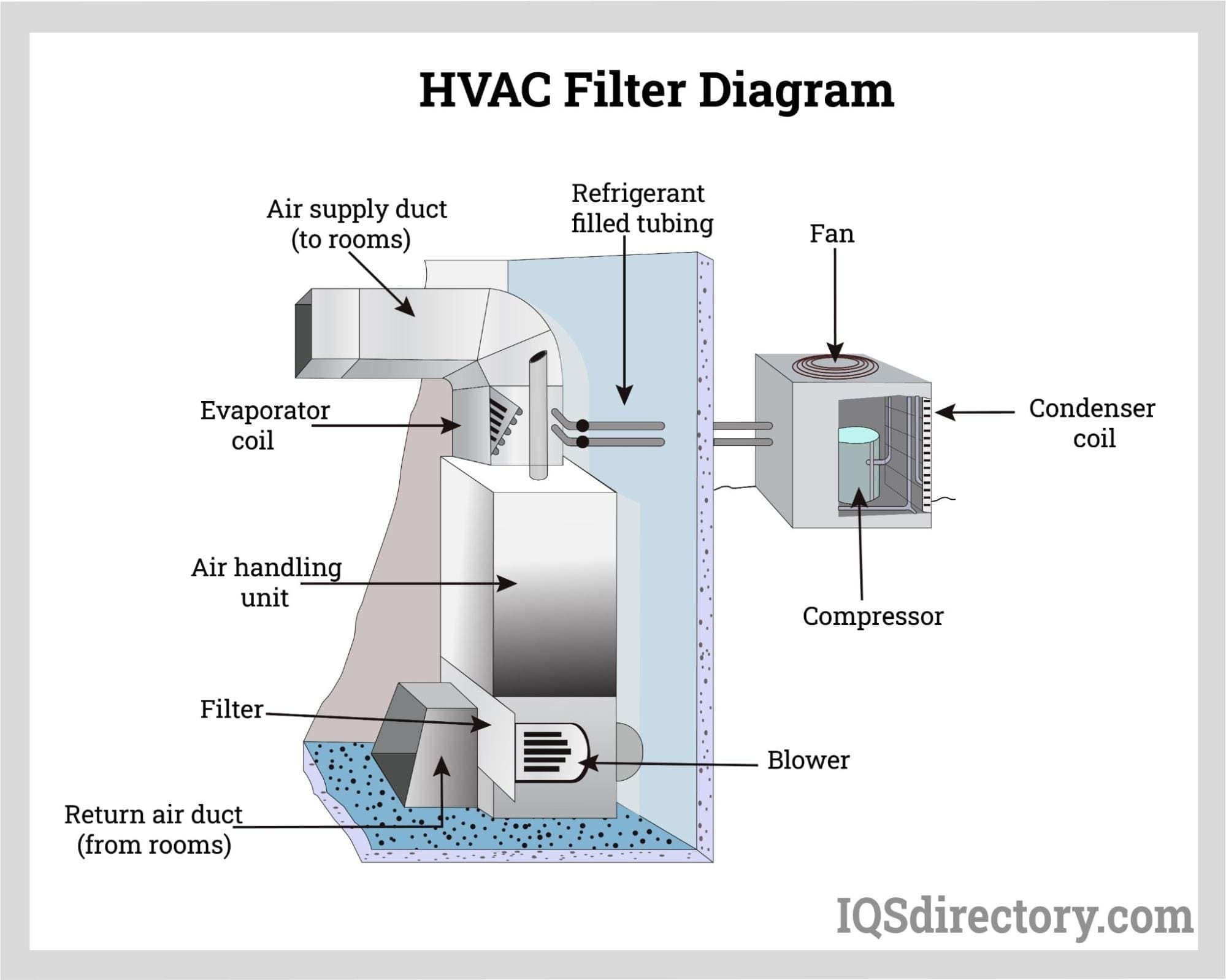
HVAC (heating, ventilation, and air conditioning) systems are essential for maintaining comfortable and healthy indoor environments in homes, offices, and other buildings. HVAC filters work by trapping allergens, such as dust and pollen, and other airborne contaminants as they travel through the ducts and vents of HVAC systems.
Featured HVAC Filter Manufacturers
Duraflow Industries is the premier aftermarket and OEM supplier of various filtration products. We feature a complete line of filters for applications such as air scrubbers, absorption of thousands of organic compounds, drinking water filtration, and waste water abatement. Our just-in-time production techniques allow us to maintain production flexibility and meet fast turnaround times. From...
For more than 25 years, RoboVent's focus has been on the delivery of clean air and healthy environments in manufacturing facilities. This has earned us the leading position in the collection and filtering of airborne contaminants generated by metalworking and other industrial processes. We are passionate about providing clean air solutions to the industry, and this dedication to the cause brings...
Filters-ALF is a leading manufacturer of air and liquid filters. Our number one priority is to create the best filters that match the needs of our customers. We strive to have a fast turnaround while not reducing the quality of our products. Filtration is the only thing we do and ensure that we make our products right. We provide our customers with hundreds of years of experience and great prices ...
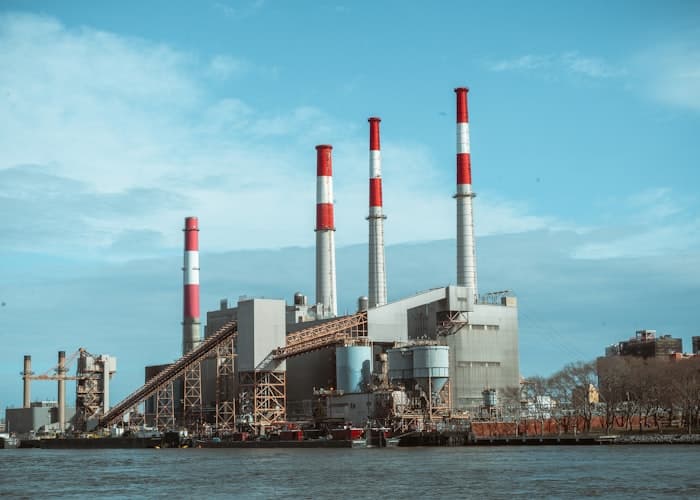
Our world-class facilities set us apart from the competition. We work hard to make our customers happy with our air filters. We can provide what you need to keep your air clean in whatever industry you are in. Our goal is to exceed your expectations so you can focus on what you do best! Whether you need support in design, products, delivery, or support, we can supply it all!
MCR inventories a large stock of Cleanroom Fan Powered and Ducted Air Filters. The Mac 10 FFU is known for being the quietest filter available and has been tested below 50 dBA with a rated flow of 90 FPM. Its modular design fits conveniently into 2'x4' to 2x2 T-Bar drop ceilings, and with a low profile of less than 13" it permits installation into tight ceiling spaces. Contact our company today!
Donaldson Industrial Solutions provides advanced air filtration solutions that help manufacturers control dust, fumes, mist, and airborne contaminants. Our high-performance air filters, replacement elements, and filtration systems improve air quality, protect equipment, enhance worker safety, and support regulatory compliance. Designed for demanding industrial environments, our solutions help...
More HVAC Filter Manufacturers
How Do HVAC Filters Work?
HVAC filters work by capturing airborne particles as they pass through the filter material. The filter media can trap particles through interception, impaction, diffusion, and electrostatic attraction. Interception occurs when particles are trapped by fibers or other protrusions in the filter media. Impaction occurs when particles are too large to follow the air stream and collide with filter fibers. Diffusion occurs when small particles move erratically and collide with fibers, and electrostatic attraction occurs when particles are attracted to the filter media by static electricity.
Filter Efficiency Ratings of HVAC Filters
Filter efficiency ratings are a measure of a filter's ability to remove particles from the air. The most common rating system is the Minimum Efficiency Reporting Value (MERV), which ranges from 1 to 20, with higher values indicating better filtration. HEPA filters have a minimum efficiency of 99.97% for particles 0.3 microns in size, while ULPA filters have a minimum efficiency of 99.999% for particles 0.12 microns in size.
Types of HVAC Filters
There are several different types of HVAC filters, each with their own advantages and disadvantages. The most common types include:
Fiberglass filters – Made from layered fiberglass fibers; inexpensive but have a lower MERV rating and require more frequent replacement.
Pleated filters – More surface area than fiberglass filters and can capture smaller particles, with a higher MERV rating and less frequent replacement.
Washable filters – Designed to be reusable and washed and dried for reuse, with a lower MERV rating and more frequent washing needed.
Electrostatic filters – Use electrostatic charges to attract and trap particles; can have a higher MERV rating but may increase pressure drop.
Activated carbon filters – Contain activated carbon, which can absorb odors, gasses, and volatile organic compounds (VOCs).
Applications of HVAC Filters
Residential homes – HVAC filters help remove dust, pet dander, and pollen from the air, making the indoor environment cleaner and healthier.
Commercial buildings – HVAC filters help maintain a healthy environment for employees and customers in offices, retail stores, and restaurants.
Hospitals and healthcare facilities – High-efficiency filters such as HEPA or ULPA are often used to remove airborne contaminants and prevent the spread of airborne diseases.
Laboratories and cleanrooms – High-efficiency filters maintain a controlled, sterile environment free from airborne contaminants.
Data centers – Filters maintain stable temperature and humidity and remove contaminants that could damage sensitive electronic equipment.
Industrial settings – Filters remove dust, smoke, and fumes, protecting workers from respiratory hazards and preventing equipment damage.
Schools and universities – Filters reduce the risk of respiratory illnesses and help improve academic performance.
Advantages of HVAC Filters
Properly selected and maintained HVAC filters offer several benefits, including:
Improved indoor air quality – Removing airborne contaminants can help reduce respiratory symptoms, allergies, and other health problems.
Reduced energy consumption – Clean filters help maintain proper airflow and reduce the energy required to run the HVAC system.
Extended HVAC system lifespan – Reducing dust and particles circulating through the system reduces wear and tear on components.
Disadvantages of HVAC Filters
While HVAC filters offer many advantages, they also have some potential drawbacks, including:
Reduced airflow – As filters become clogged with particles, they can impede airflow, reducing heating and cooling efficiency.
Increased pressure drop – As filters capture more particles, pressure drop across the system can increase, raising energy consumption.
Cost – High-efficiency filters such as HEPA or ULPA can be expensive, and some types require more frequent cleaning or replacement.
Choosing the Proper HVAC Filters Manufacturer
To make sure you have the most productive outcome when purchasing HVAC filters from an HVAC filters supplier, it is important to compare at least 4 or 5 companies using our list of HVAC filters manufacturers. Each supplier has a business profile page that highlights their areas of experience and capabilities and a contact form to communicate directly with the manufacturer, request more information, or request a quote.
HVAC Filters Informational Video
Air Filters Power Pages
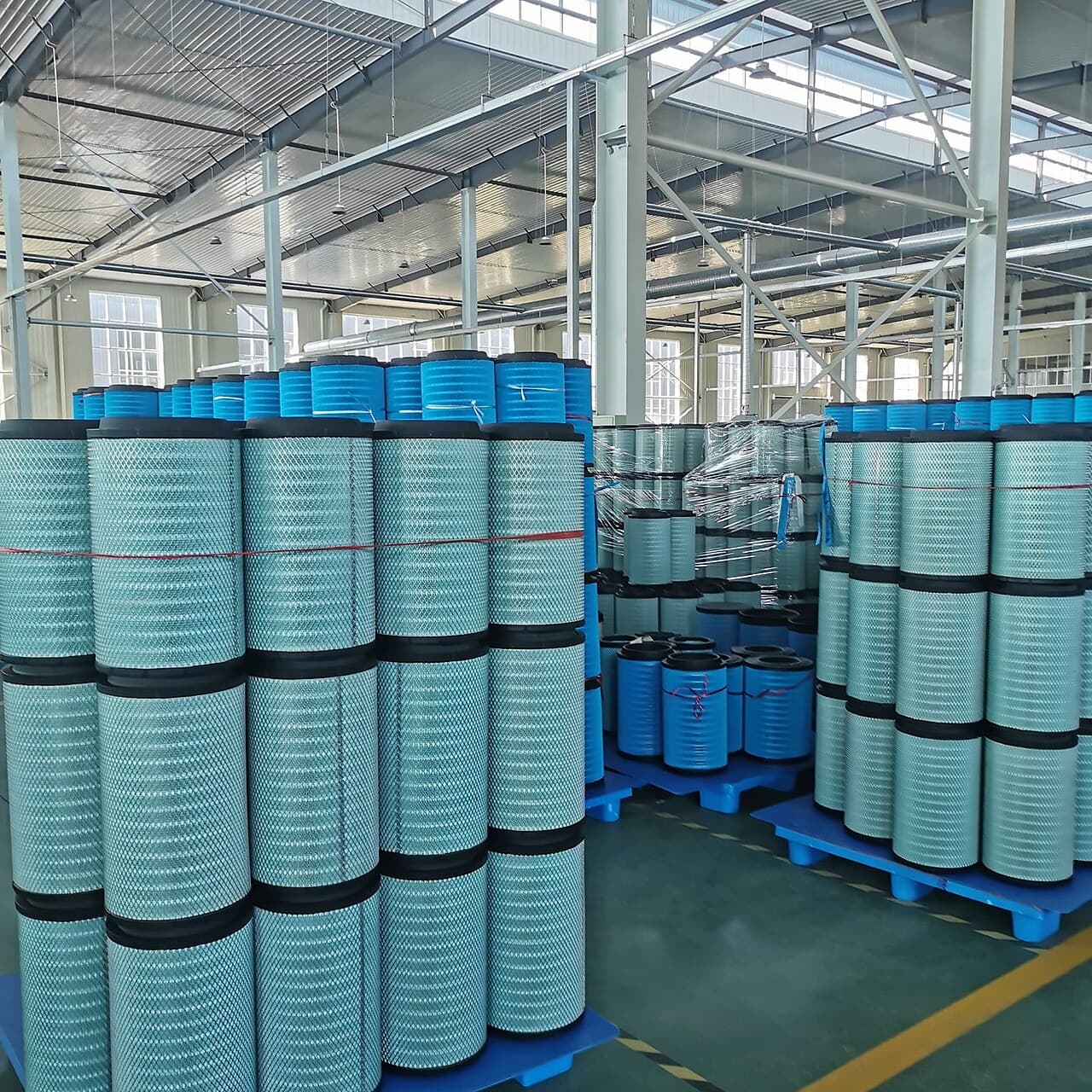
Air Filters
Air filters are devices used to remove airborne particles, pollutants, and microorganisms hazardous to health and the ecosystem. In industrial facilities, air filters preserve the quality of products and materials and protect critical equipment from damage...
Read the guide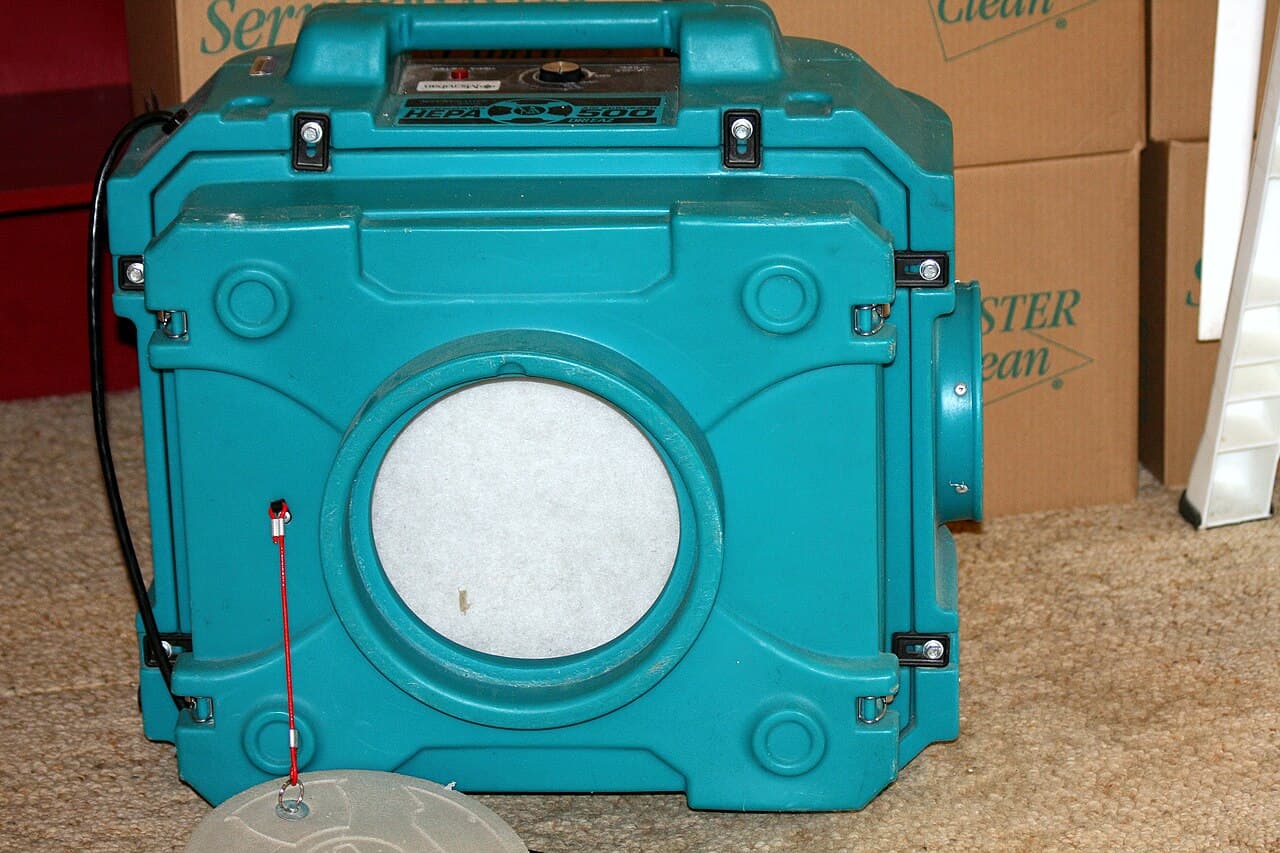
HEPA Air Filters
A HEPA filter is a high efficiency pleated air filter capable of capturing extremely small particulate matter down to particles that are the size of a micron (µ), or a micrometer, which is 1/1000th of a meter...
Read the guide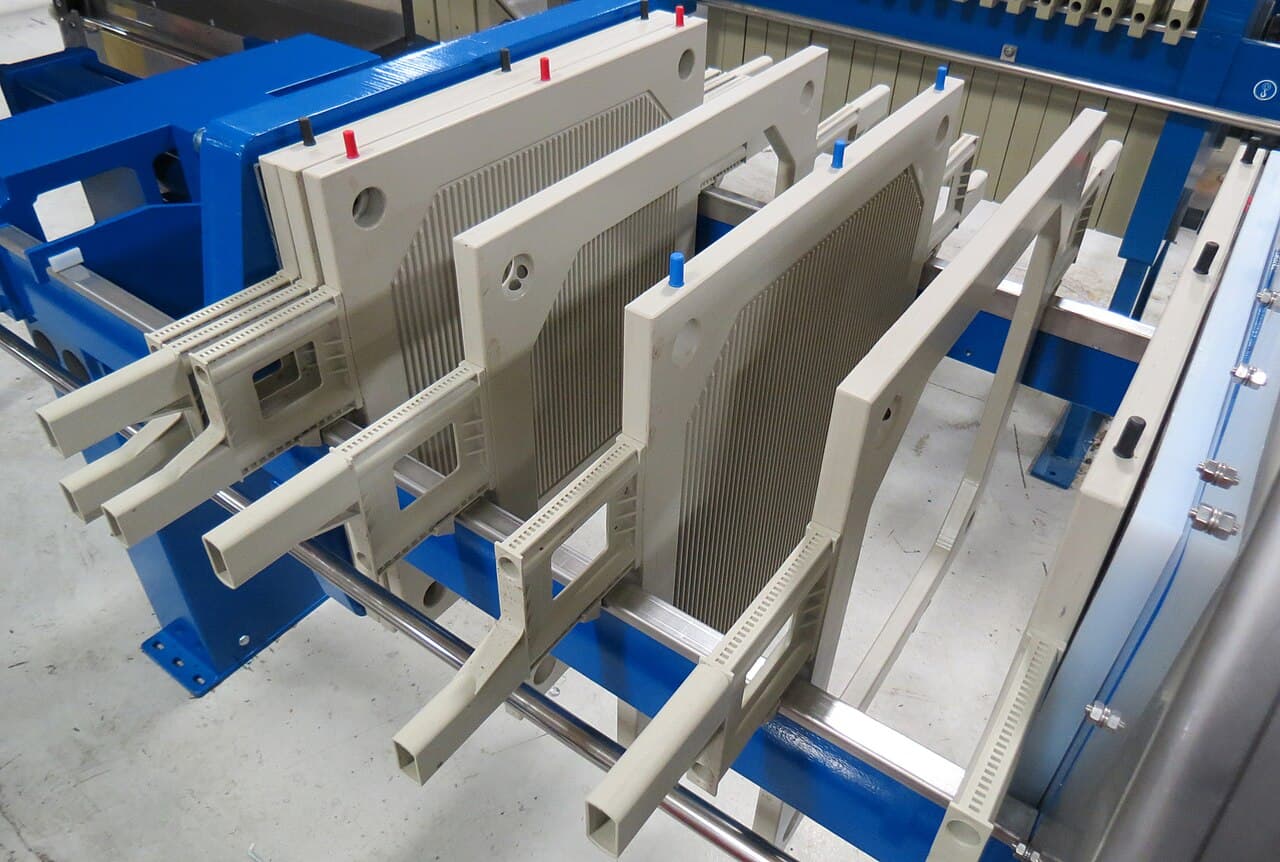
Liquid Filters
Liquid filters are equipment used to separate suspended solids from a fluid stream. A physical barrier, called the filter medium, is a prerequisite in the filtration process in which the liquid passes through and where the solids are retained...
Read the guide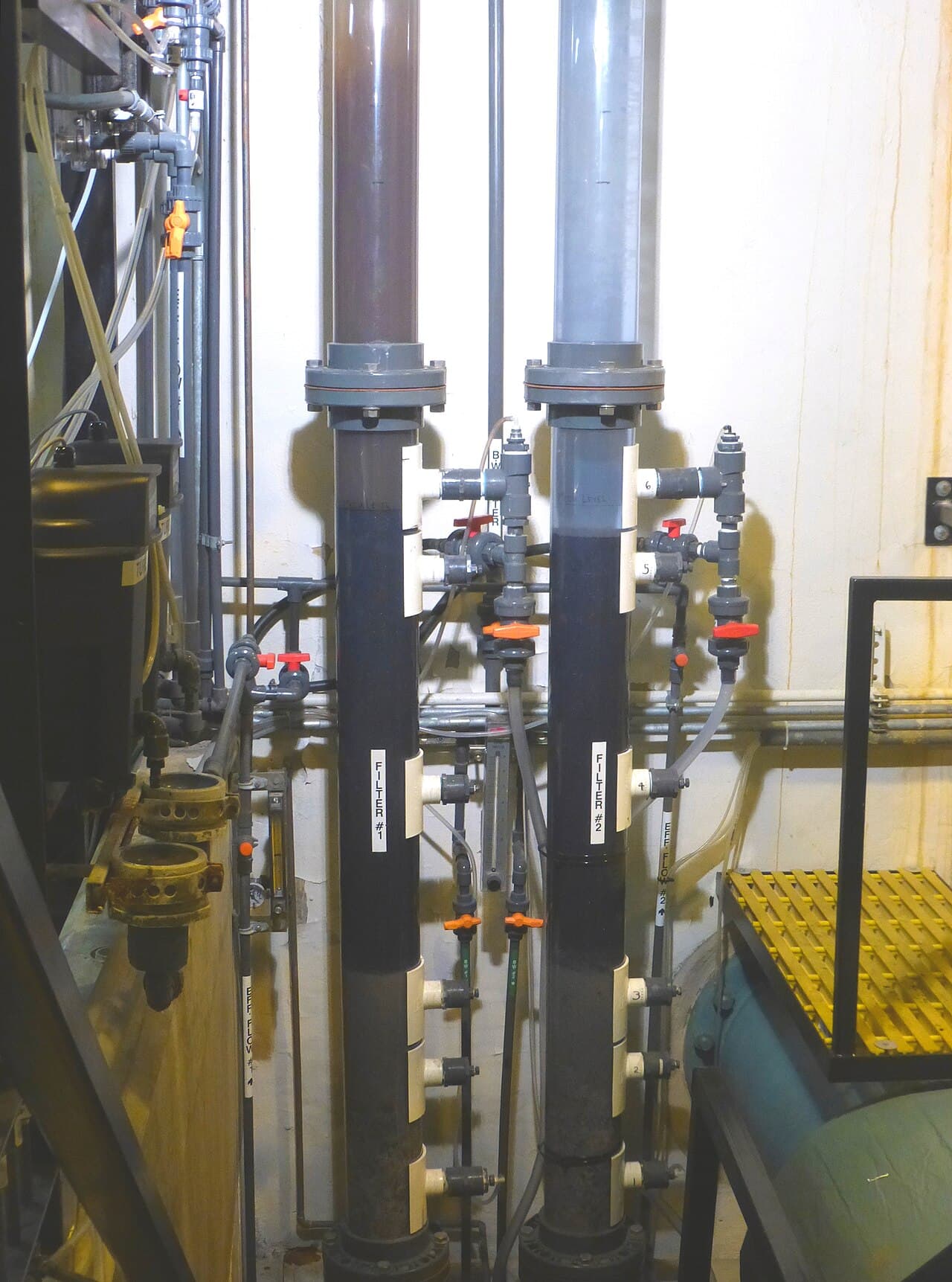
Water Filtering Systems
A water filtering system is a mechanism that is designed to remove solid particles, tiny or large, from inside a liquid through the use of a filter medium that only allows the liquid to pass but restricts solid particles....
Read the guide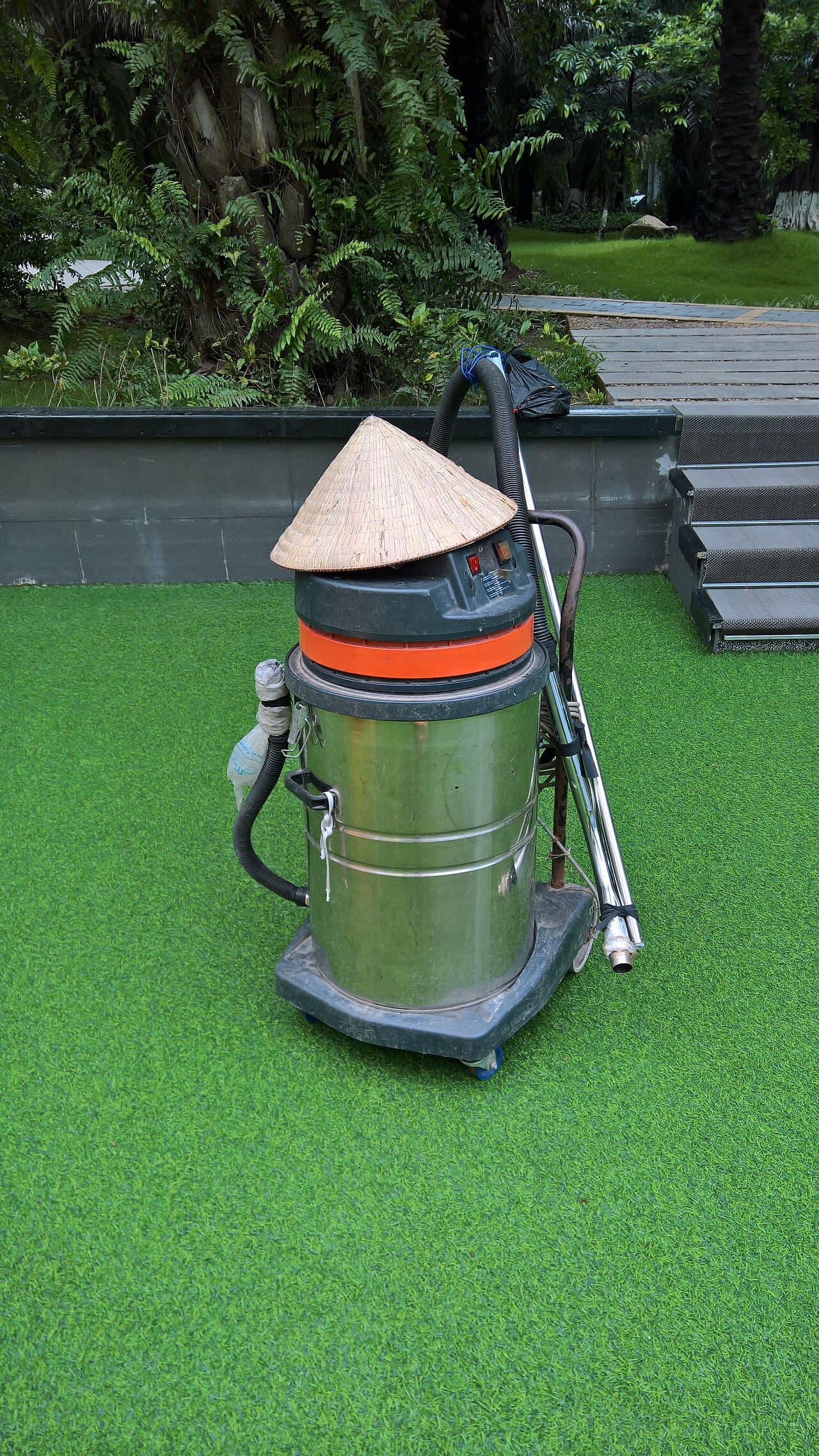
Types of Industrial Vacuum Cleaners
Vacuum cleaners use suction to collect dirt, dust, waste products from industrial processes, and other debris for disposal, recycling, or reuse. They are mainly used for building maintenance and cleaning of industrial space...
Read the guide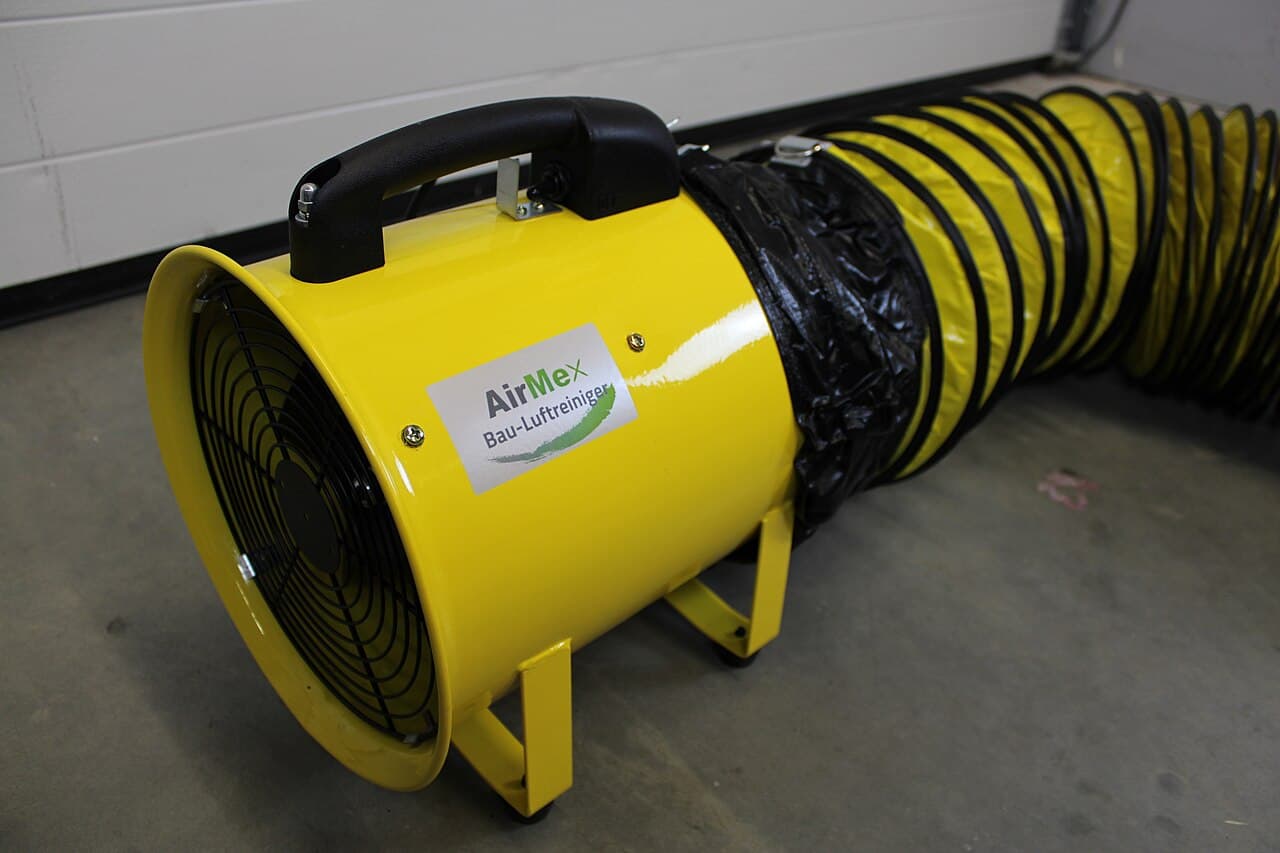
Air Scrubber
An air scrubber is an air purification system that removes particulate matter from the air through the use of moisture or by cooling or filtering the airstream as it enters the scrubber...
Read the guideTrusted Directory
Leading Air Filter Manufacturers






Air, Liquid, and Filtering Systems
Featured Industries
 Castings & Forgings
 Bulk Material Handling
 Electrical & Electronic Components
 Flow Instrumentation
 Hardware
 Material Handling Equipment
 Metal Cutting Services
 Metal Forming Services
 Metal Suppliers
 Motion Control Products
 Plant & Facility Equipment
 Plant & Facility Supplies
 Plastic Molding Processes
 Pumps & Valves
 Recycling Equipment
 Rubber Products & Services